Choosing a riser recliner chair might seem straightforward at first. You want something comfortable, supportive and capable of helping you stand up more easily.
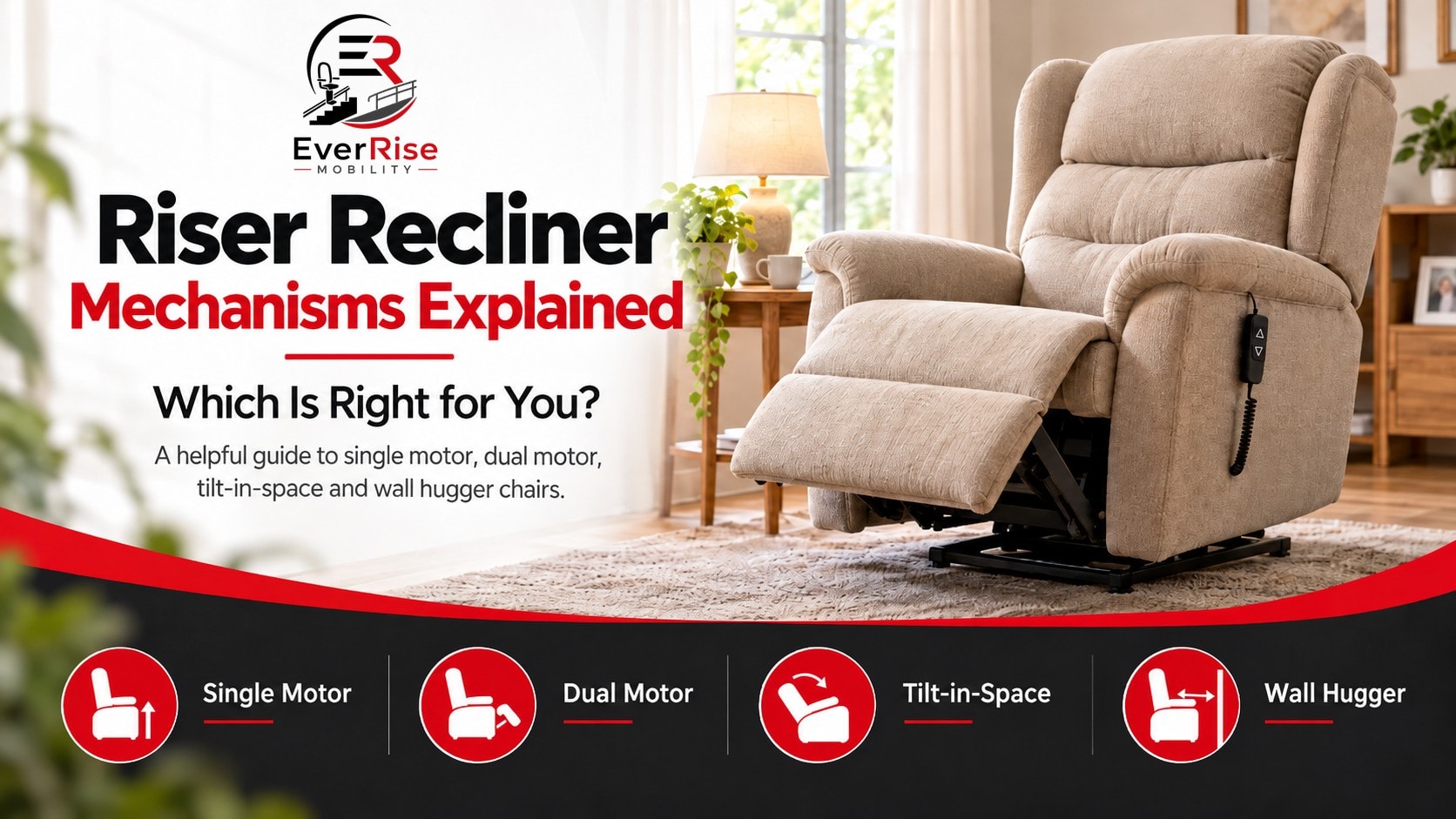
However, once you start looking at different chairs, you'll probably come across terms such as single motor, dual motor, tilt-in-space and wall hugger.
But what do these actually mean? And more importantly, which type of riser recliner chair is likely to suit your individual needs?
Although many riser recliner chairs look quite similar, the mechanisms inside them can work in very different ways. Understanding these differences can make a real difference to your comfort, sitting position and how easily you can use your chair every day.
At EverRise Mobility, we believe that choosing the right chair should be about finding something that suits you, rather than simply choosing the model with the most features.
In this guide, we'll explain the main types of riser recliner mechanisms, how they work, their advantages and limitations, and what to consider before making a decision.
What Is a Riser Recliner Chair?
A riser recliner chair is an electrically operated armchair designed to provide comfortable seating, adjustable reclining positions and assistance when sitting down or standing up.
Unlike a conventional armchair, a riser recliner uses an electric motor, or a combination of motors, to adjust the chair's position at the touch of a button.
Most riser recliner chairs provide three main functions:
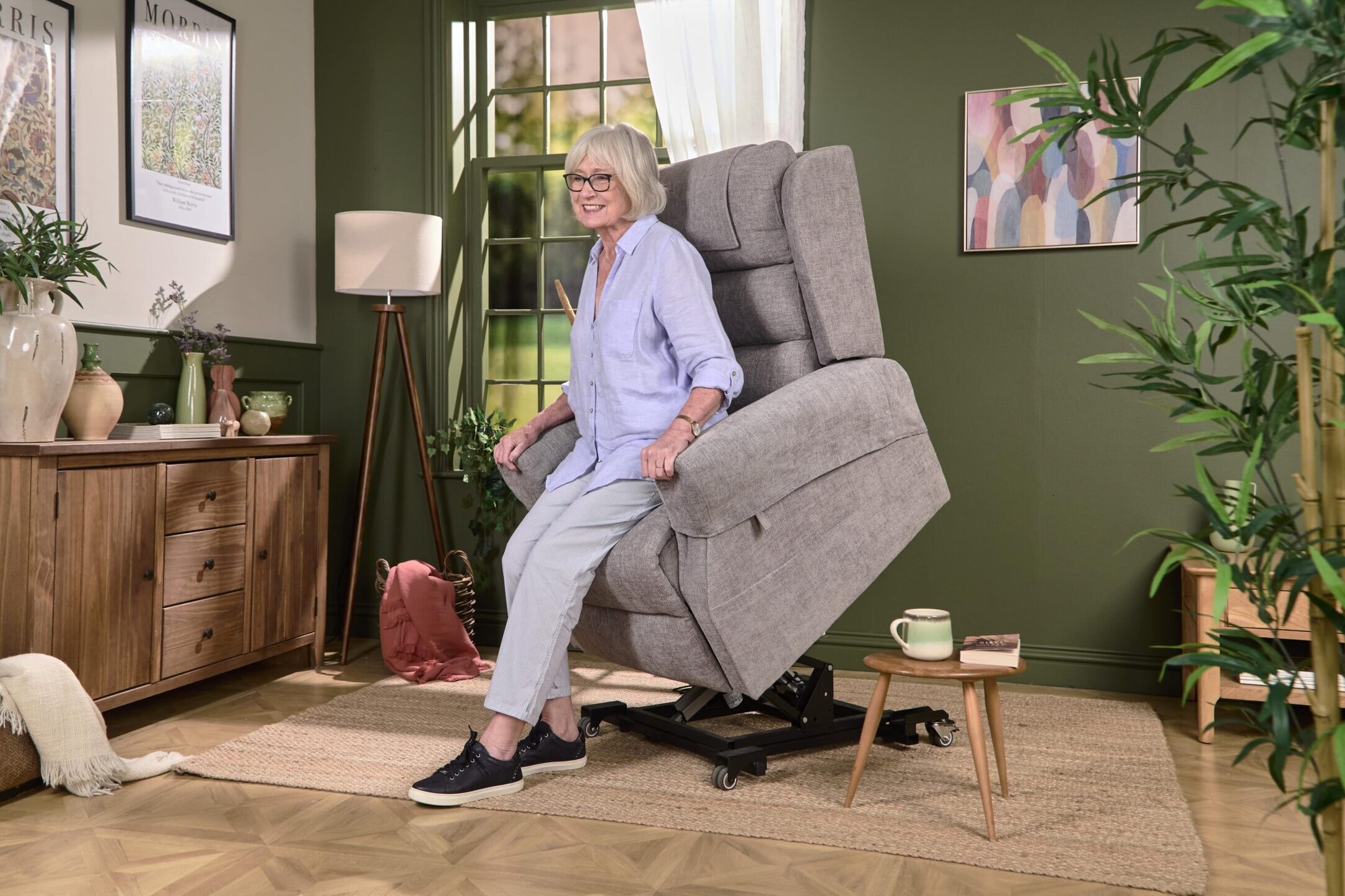
- Rise: The chair gently raises and tilts forwards to help you move towards a standing position.
- Recline: The backrest and seating position can be adjusted to help you relax.
- Leg elevation: The footrest extends to support your legs while seated or reclining.
Although these functions are common across many models, the way the chair moves between positions can be very different. That's where the mechanism becomes important.
1. Single Motor Riser Recliner Chairs
A single motor riser recliner uses one electric motor to operate the chair's main reclining and rising movements.
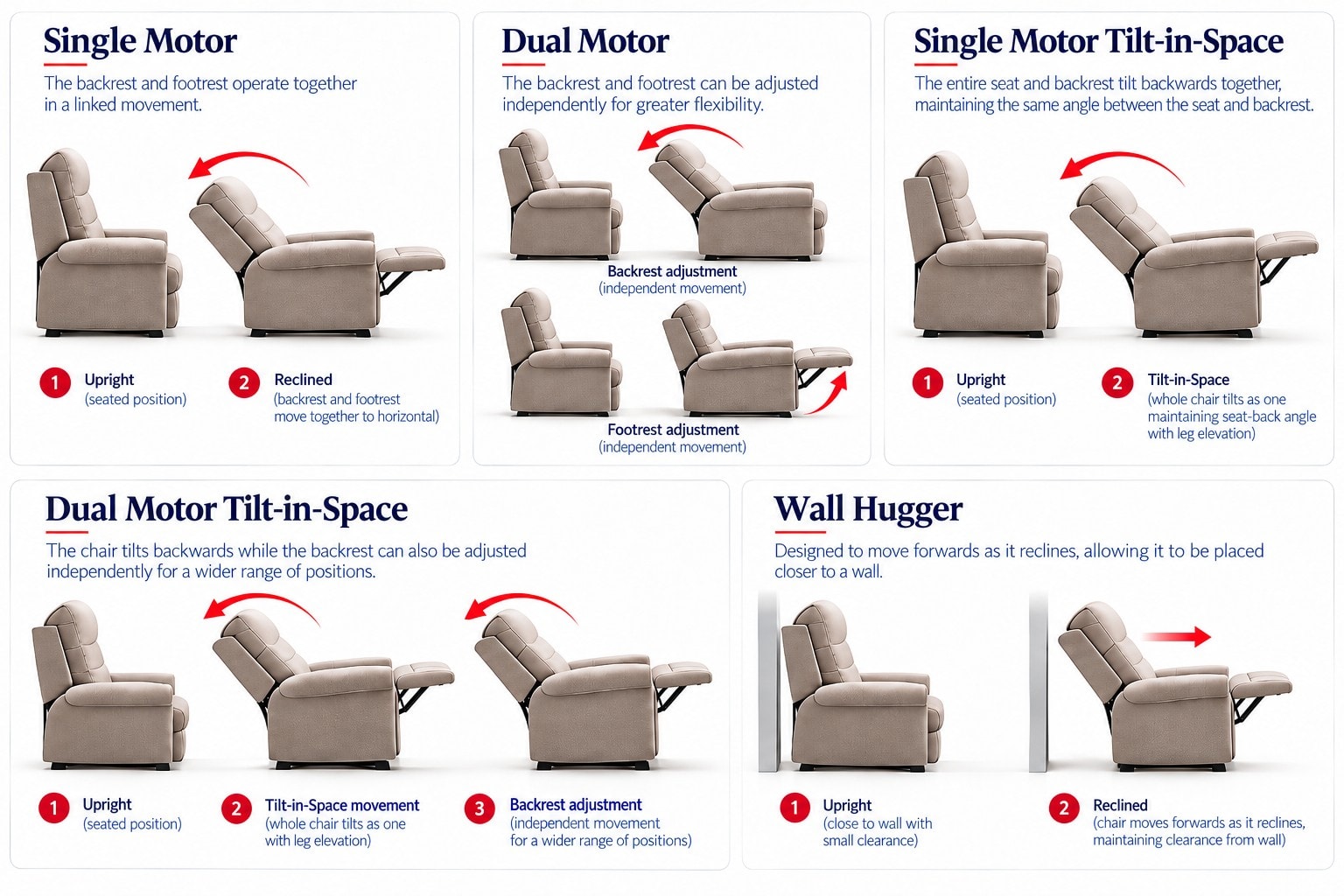
In a conventional single motor chair, the backrest and footrest operate through a linked movement rather than being independently controlled. As the chair reclines, the footrest extends and the backrest moves backwards according to the design of the mechanism.
Some single motor chairs use a staged movement, with the footrest extending before the backrest reclines further. Others use a different coordinated action.
What Are the Advantages?
One of the biggest advantages of a single motor chair is its simplicity. Because the reclining movement is linked, the controls are generally straightforward, often using just two buttons to move the chair forwards or backwards through its available positions. This can be particularly helpful for someone who prefers uncomplicated controls.
Single motor chairs are also often more affordable than chairs with more advanced adjustment mechanisms.
Are There Any Limitations?
The main limitation is that you generally cannot adjust the backrest and footrest independently. For example, if you want to sit upright while raising your legs, a conventional single motor mechanism may not provide precisely the position you want. The available positions depend on the particular chair design.
Who Might Benefit from a Single Motor Chair?
- Want straightforward, easy-to-use controls.
- Prefer a simple reclining action.
- Don't require independent backrest and footrest adjustment.
- Are looking for a more budget-conscious option.
For many people, a well-fitting single motor chair can provide all the functionality they require. However, it's important to remember that not all single motor mechanisms work in exactly the same way.
2. Dual Motor Riser Recliner Chairs
A dual motor riser recliner provides greater flexibility by allowing the backrest and footrest to be adjusted independently. Unlike a conventional single motor chair, you can usually raise the footrest while keeping the backrest relatively upright. Alternatively, you can recline the backrest without necessarily extending the footrest to its maximum position.
What Are the Advantages?
Independent adjustment is particularly useful if you like changing your sitting position throughout the day. You might prefer to sit upright with your legs raised while watching television, recline your backrest while reading or resting, or find a comfortable balance between backrest and footrest positions. Having more control can make it easier to find a position that feels comfortable for your individual needs.
Are There Any Limitations?
Dual motor chairs generally have more control options, which some people may initially find more complicated. They may also cost more than comparable single motor models. It's worth remembering that having two motors doesn't automatically make a chair more comfortable or more suitable — the chair still needs to be the correct size and provide appropriate support.
Who Might Benefit from a Dual Motor Chair?
- Regularly want to elevate your legs while remaining upright.
- Prefer more flexibility in your sitting and reclining positions.
- Spend longer periods relaxing in your chair.
- Find that fixed or linked reclining positions don't provide the comfort you need.
3. Single Motor Tilt-in-Space Riser Recliners
Tilt-in-space is a term that can sound rather technical, but the principle is relatively straightforward. With a tilt-in-space mechanism, the seat and backrest tilt backwards together, maintaining approximately the same angle between them during the tilting movement.
In other words, instead of the backrest simply moving further away from the seat, the seated position itself tilts. This creates a different reclining experience from a conventional mechanism.
Why Does This Matter?
Rather than opening the angle between your back and thighs as the chair reclines, a tilt-in-space mechanism allows you to move backwards while maintaining a more consistent seated posture. On suitable models, this can also provide a relatively high leg elevation position. Because the movement maintains the relationship between the seat and backrest, it may help reduce some of the sliding and repositioning experienced with conventional reclining actions.
Who Might Benefit from Tilt-in-Space?
- Prefer a more supported reclining movement.
- Find conventional reclining positions uncomfortable.
- Want good leg elevation.
- Prefer relatively simple controls.
4. Dual Motor Tilt-in-Space Riser Recliners
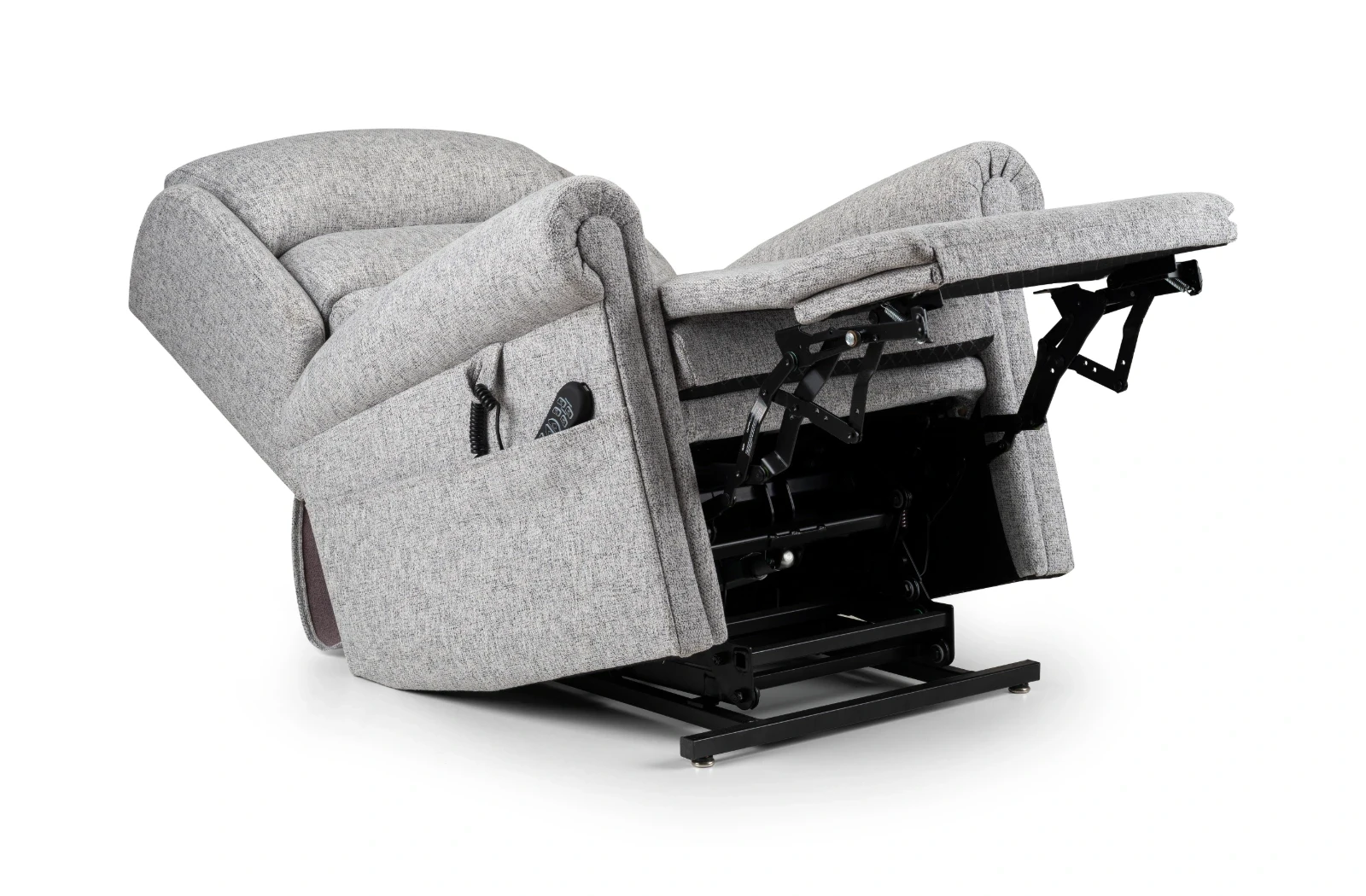
A dual motor tilt-in-space mechanism combines the coordinated tilting movement with additional independent adjustment. Typically, one motor controls the tilt-in-space movement while another allows the backrest angle to be adjusted separately, providing greater flexibility than a single motor tilt-in-space chair.
Who Might Benefit from Dual Motor Tilt-in-Space?
- Want the benefits of a tilt-in-space movement.
- Also require some independent backrest adjustment.
- Prefer a wider range of seating positions.
- Have found that simpler mechanisms don't quite provide the support or flexibility you require.
5. Wall Hugger Riser Recliner Chairs
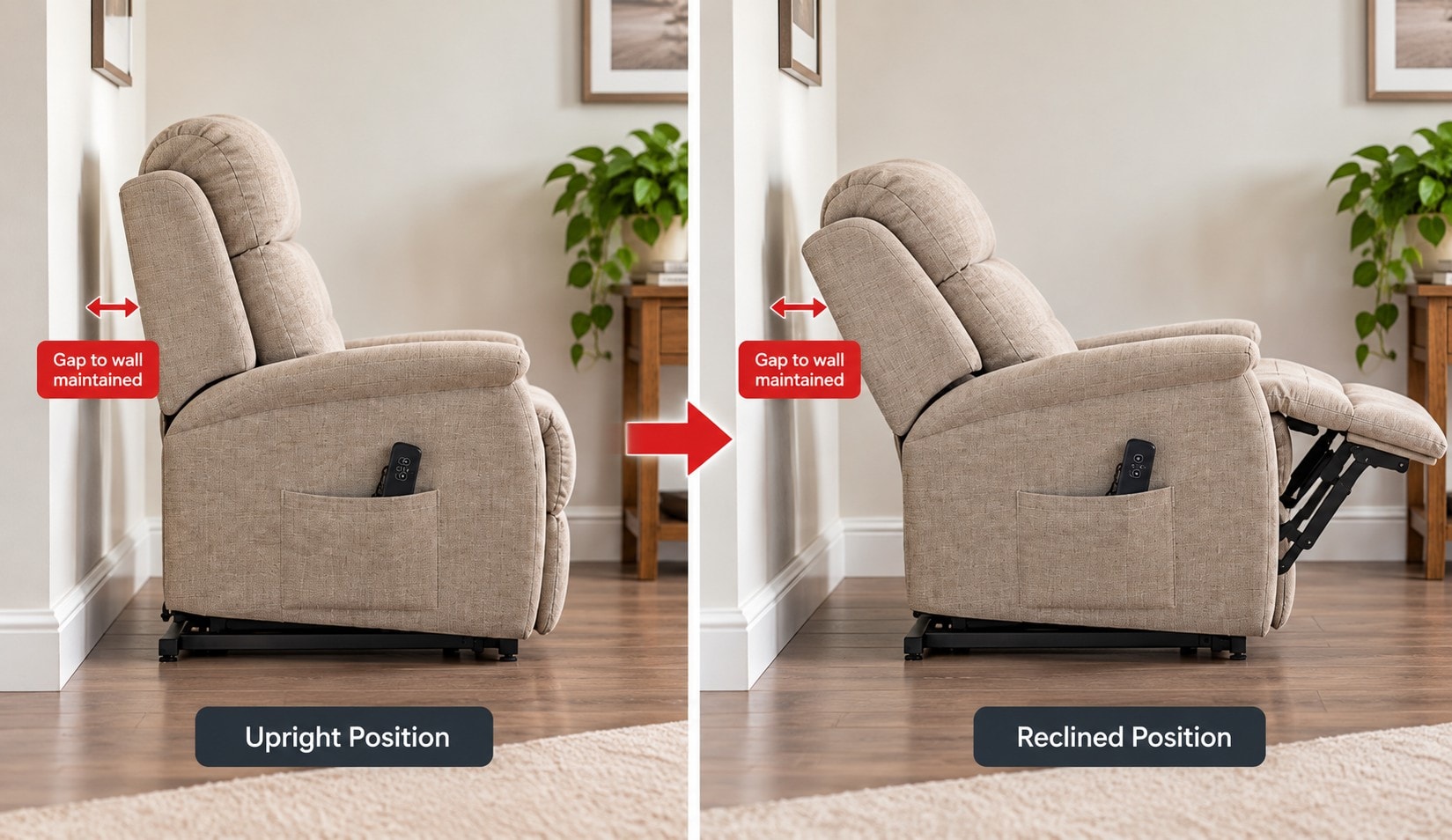
Not every consideration is about the person using the chair. Sometimes, the available space in the room is equally important. A wall hugger riser recliner is designed to reduce the clearance needed behind the chair when reclining.
With many conventional reclining chairs, the backrest moves backwards towards the wall as the chair reclines. A wall hugger uses a different movement, generally shifting the chair forwards as it reclines. This can allow it to be positioned closer to a wall than some other mechanisms.
Who Might Benefit from a Wall Hugger?
A wall hugger chair could be a useful option if you have limited space but still want the convenience of a powered riser recliner. It's worth noting that wall hugger describes the space-saving movement rather than simply the number of motors — depending on the manufacturer, these chairs can incorporate different reclining actions.
Riser Recliner Mechanisms at a Glance
| Mechanism | Main Benefit | Points to Consider |
|---|---|---|
| Single Motor | Simple, linked movement | Limited independent adjustment |
| Dual Motor | Independent back and leg positioning | More controls |
| Single Motor Tilt-in-Space | Coordinated, supported reclining movement | Backrest position linked to tilt |
| Dual Motor Tilt-in-Space | Tilt movement plus additional adjustment | More complex operation |
| Wall Hugger | Reduced clearance behind the chair | Adequate forward space still required |
These are general characteristics. The exact functions and movement of an individual chair will depend on its manufacturer and mechanism.
Which Riser Recliner Mechanism Is Best for Your Needs?
The reality is that there isn't one mechanism that is automatically better than every other. The best choice depends on how you intend to use your chair, the positions you find comfortable and any mobility difficulties you may have.
If You Struggle to Stand Up from Your Chair
The rising action is likely to be particularly important. However, the number of motors isn't necessarily the deciding factor. The correct seat height, width and depth can make a substantial difference to how comfortably and safely you can sit down and stand up.
If You Like to Sit Upright with Your Legs Raised
A dual motor mechanism may be particularly useful. Because you can adjust the footrest separately from the backrest, you can often support your legs without needing to recline your upper body. This can be convenient for activities such as watching television, reading or simply relaxing.
If You Spend Long Periods Sitting
Comfort and support become especially important when you use a chair for extended periods. The ability to change position can be beneficial, but the correct chair dimensions, cushioning and back support are just as important as the mechanism. Depending on your individual requirements, a dual motor or tilt-in-space chair may be worth exploring.
If You Have Limited Space
A wall hugger mechanism might be a good starting point. However, we would also consider the overall chair dimensions, its position in the room and the space needed for the rise function. The chair must be able to operate without obstructing doors, walkways or furniture.
If You Prefer Simple Controls
A single motor mechanism may be more suitable if you want fewer buttons and straightforward operation. However, it's also worth looking at the design of the handset itself. Buttons should be easy to identify, reach and operate. The simplest mechanism isn't necessarily the one with the fewest motors — it's the one you can use comfortably and confidently.
Why the Correct Chair Size Is Just as Important as the Mechanism
Even a sophisticated reclining mechanism cannot compensate for a chair that doesn't fit properly. Four particularly important measurements are seat height, seat width, seat depth, and backrest height and design. The ideal dimensions depend on the individual, which is why choosing a riser recliner based on appearance alone can be misleading.
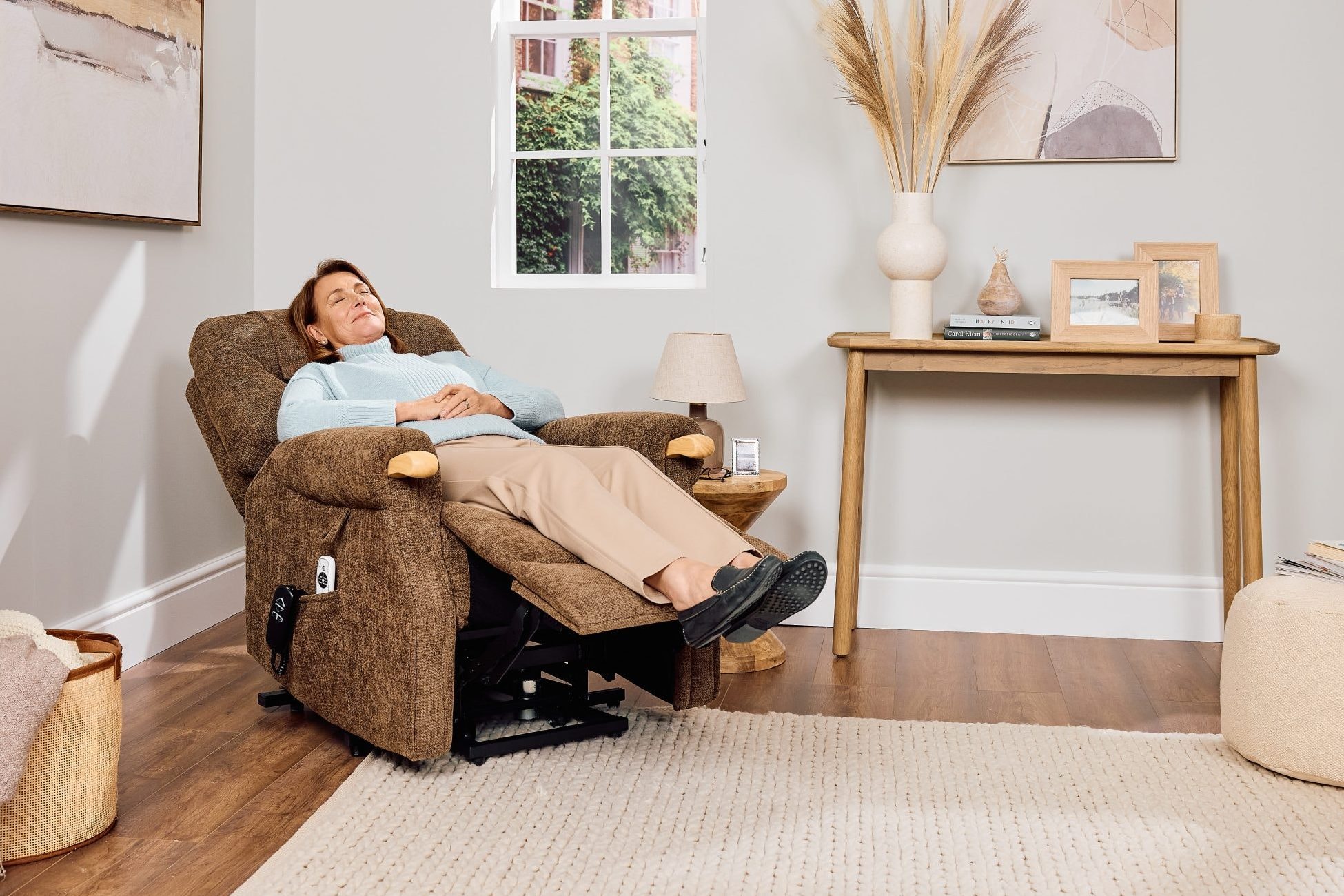
How Can You Be Sure You're Choosing the Right Riser Recliner?
At EverRise Mobility, we offer a FREE 7-Point Riser Recliner Chair Assessment to help us understand your individual requirements. Rather than recommending a chair simply because it has particular features, we consider factors such as your height, build and required seat dimensions, the support you need from the backrest and cushions, how comfortably you can sit down and stand up, the reclining and leg elevation positions you prefer, how easily you can operate the chair controls, the available space in your home, and your preferred style, fabric and colour.
Finding the Right Riser Recliner Chair in Wigan and Surrounding Areas
EverRise Mobility is an independent, family-run mobility company based in Wigan, with more than 15 years' experience in the mobility industry. Alongside our stairlift and home access services, we now offer a growing range of riser recliner chairs, rise and recline sofas and fireside chairs.
We provide advice and home assessments throughout Wigan and surrounding areas, including Leigh, Standish, Bolton, Chorley, Warrington and St Helens.